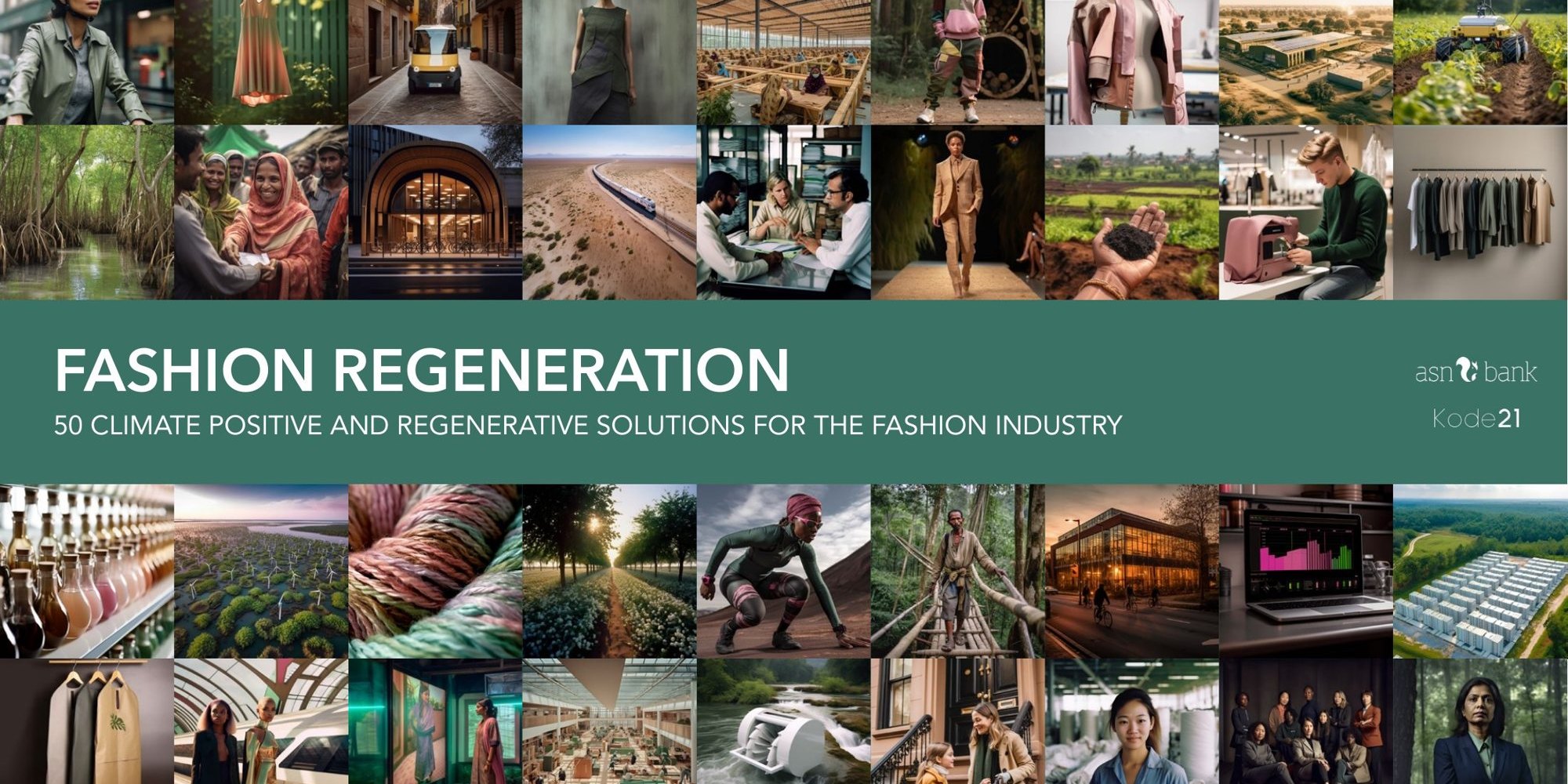
50 climate positive and regenerative solutions for the fashion industry, in six chapters, for ASN Bank. I led the research and wrote the report, supported by the team at Kode21.
1
Value over volume
2
Biobased, reduced and recycled materials
3
Renewable, electrified and reduced energy
4
Fortifying nature
5
Investing in people
6
Telling the whole story
What would a regenerative fashion industry look like? Not just ‘less bad’, but with a positive impact on climate, nature and people.
The surprise is, perhaps, that it can be done: with dozens of solutions that are possible today, have scientific backing, and make business sense.
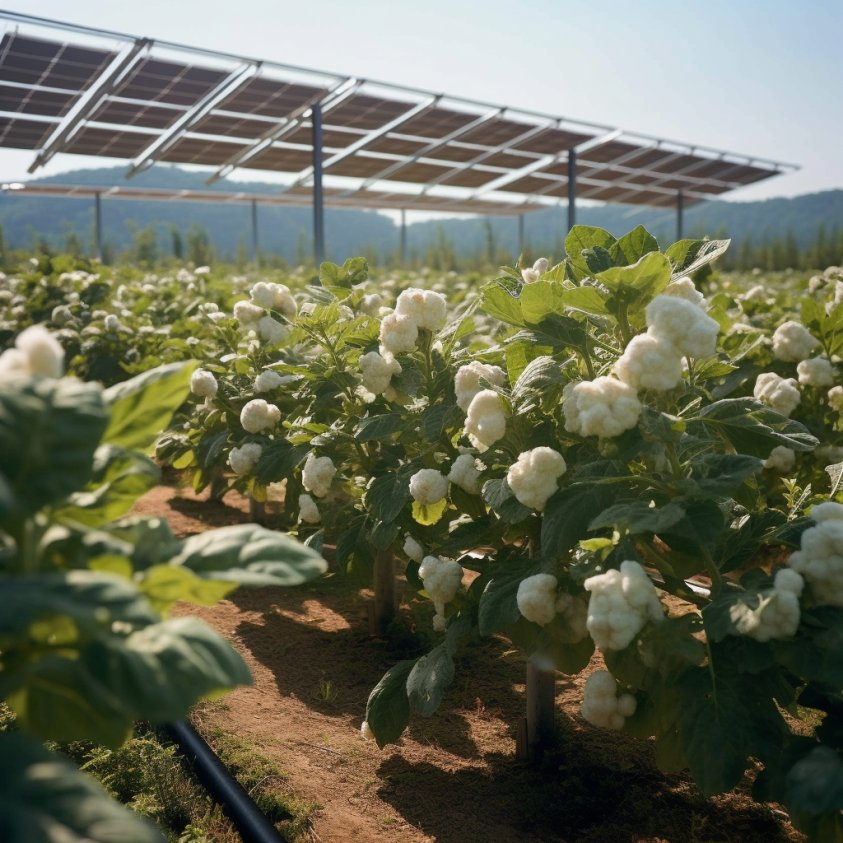
▲Cotton under solar panelsLand is scarce. Under solar panels, crops are shaded from harsh sun and the soil keeps more water, while the crops cool the panels and raise their output. ‘Energy’ becomes a second crop for farmers.
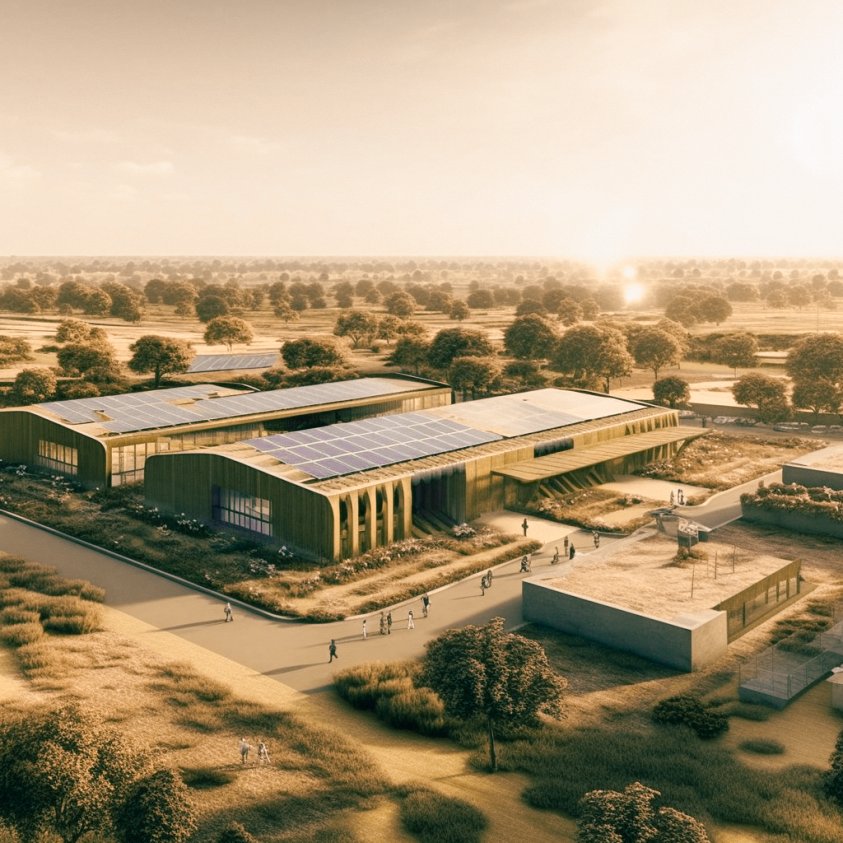
◀Worker homes power the factoryHomes need little power during working hours, factories a lot. A shared microgrid lets solar and batteries serve both, day and night.
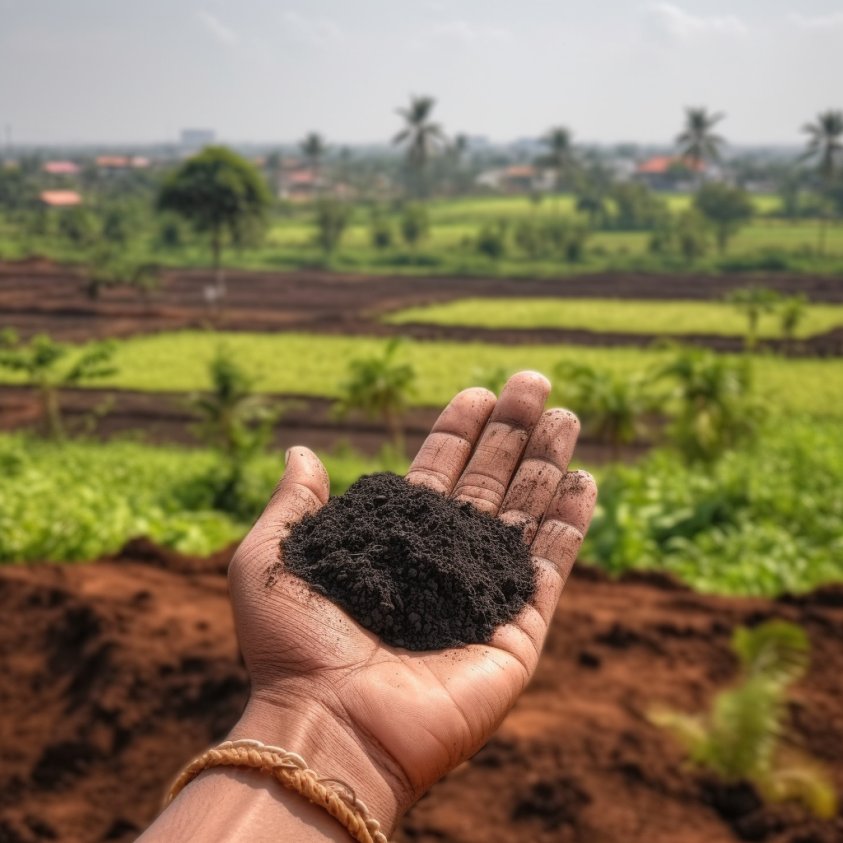
◀Black dye that stores carbonBiochar holds water and nutrients in soil, while storing carbon for centuries. It can also replace polluting ‘carbon black’ in textiles.
“‘Fashion Regeneration’ provides insight into the contribution that we as a bank can make towards a fairer industry. It inspires all who aim to transition from a polluting system to one where human rights and the environment are protected.”
Kirsten Kossen, Head of Human Rights, ASN Bank
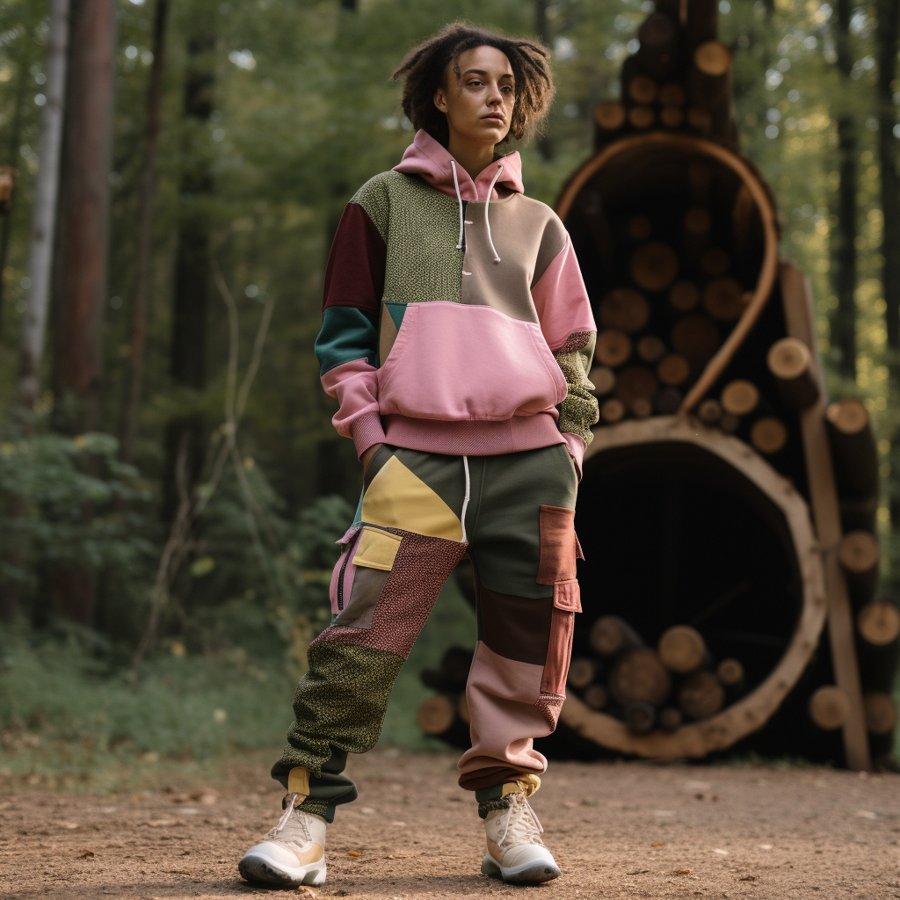
◀A brand that no longer aims to sell as much new clothing as possibleIt puts repair, preowned and rental up front. New clothes come last.
▲RemanufacturingDoubling the useful life of a garment halves its production emissions. Building a new item out of existing materials is often the least resource intensive way to give materials that second life.
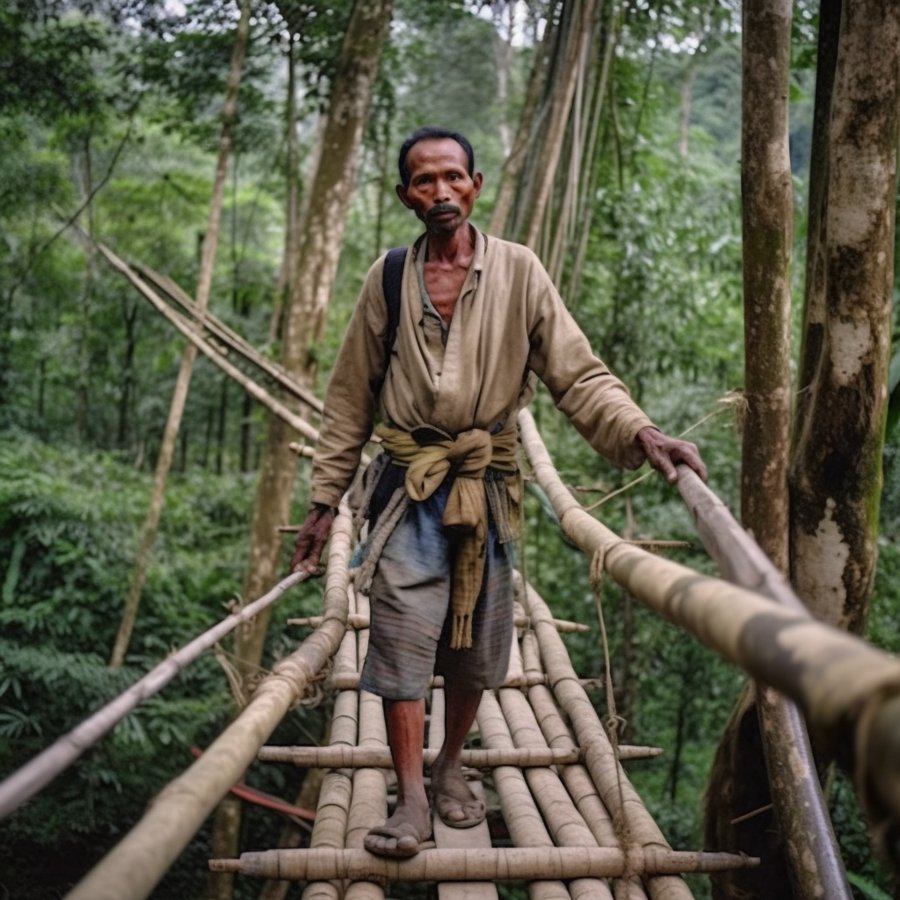
▲Backing the forest guardiansNot philanthropy, but self-preservation: indigenous peoples guard the ecosystems fashion depends on. Brands can help secure their land rights.
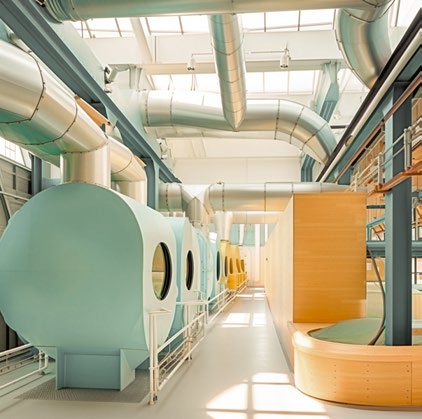
◀Electric factoriesCoal and gas boilers heat water for dyeing, washing and ironing. Electric boilers and heat pumps run on renewables and waste less.
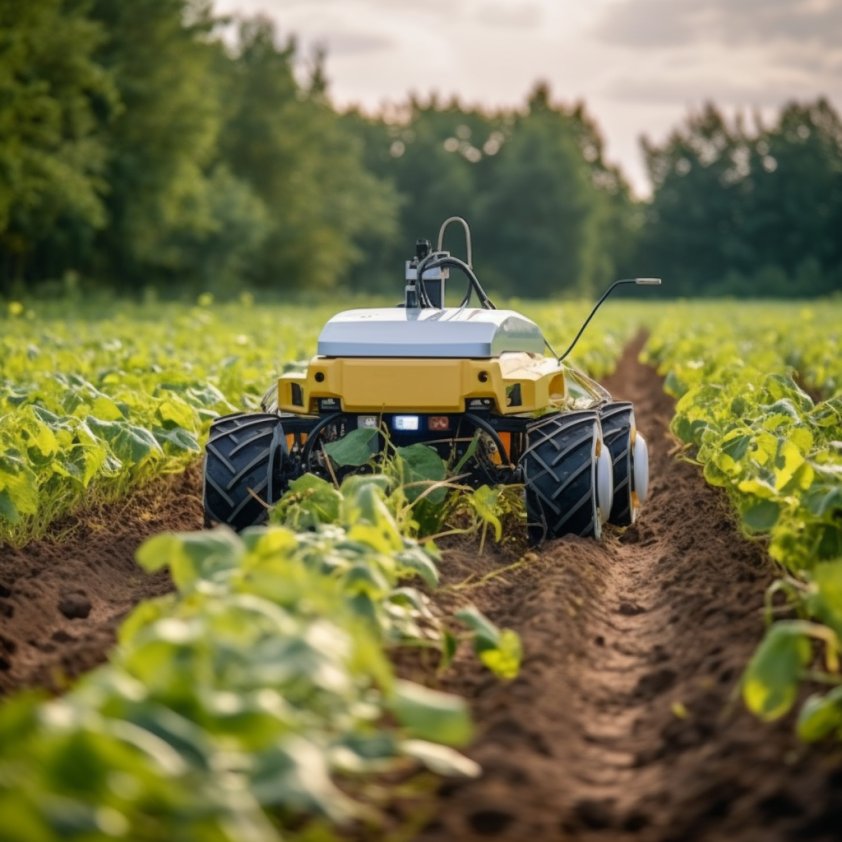
◀Farming robotsRobots weed without pesticides and dose fertilizer precisely, cutting costs, emissions and health risks.
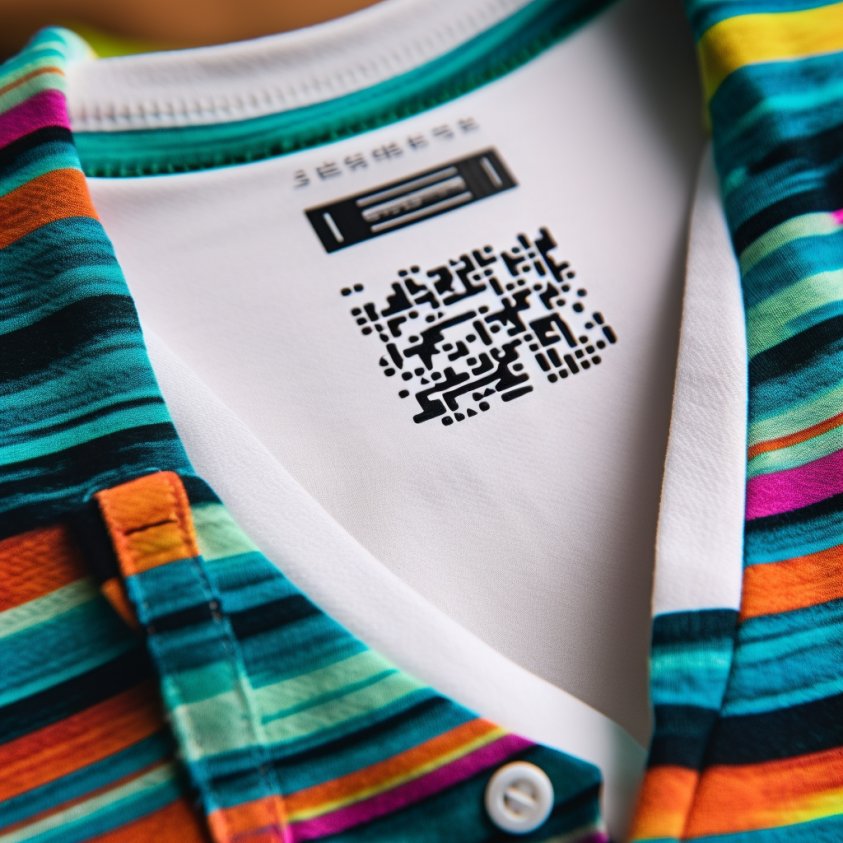
◀Product passportsA QR tag shows where a garment was made and what it caused, and helps you care for and repair it, so it lasts longer.
▲Stories that matterThe future is what we imagine. Brands can paint this picture by presenting their designs as part of the world of tomorrow: inside comfortable long distance trains, on an electric bike or next to biobased architectural masterpieces.
◀BiosyntheticsPolyester is made from oil and sheds microplastics. Fibers from farm waste or fast-growing crops perform as well, and store carbon instead.
◀Alternative natural fibersCotton needs lots of water, pesticides and fertilizer. Hemp, flax, nettle and kenaf need far less, and can restore degraded soils.
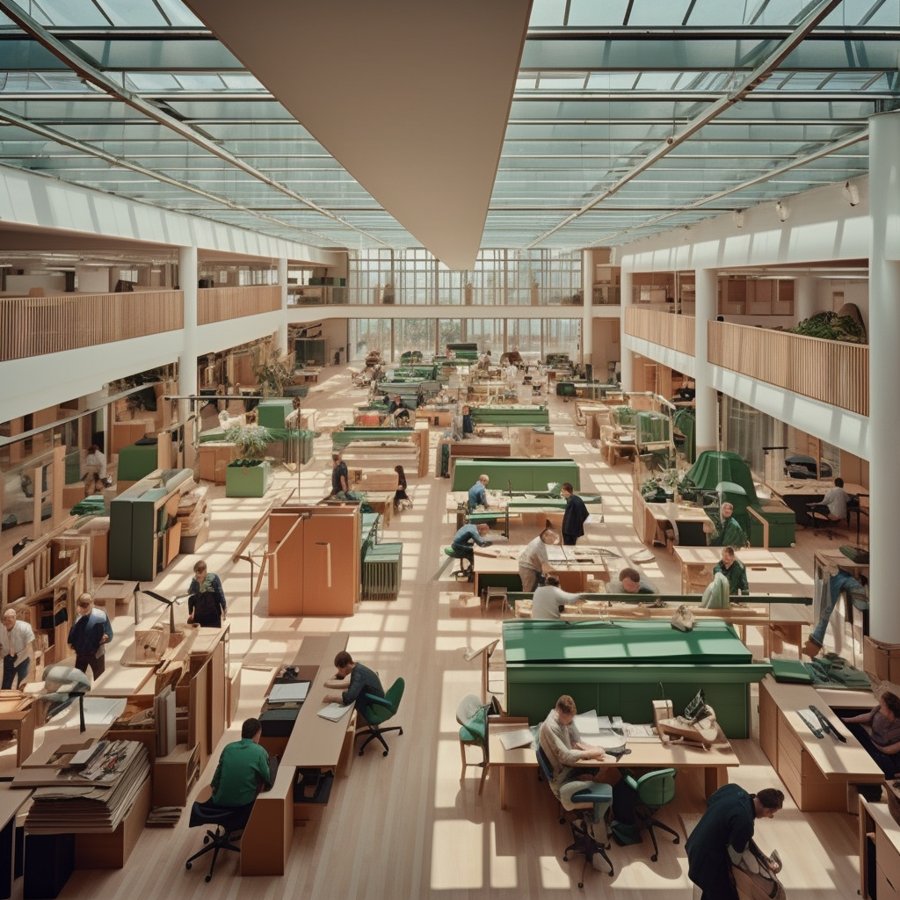
Built with the industry. In workshops with ASN Bank, brands, scientists and other experts. Every solution in the report comes with its sources; all visualisations were created with AI, a first for a report like this in 2023.
In 2024, ASN Bank and ASN Impact Investors fully divested from the clothing industry, a journey our study contributed to.